

Musicians Earplugs & Monitors in Greenwood Village, CO
Specialized hearing care for musicians and music industry professionals — protecting your ears without compromising the sound quality your performance depends on.
Musicians don’t experience sound the way most people do. Your ears are finely trained, highly sensitive, and central to your identity and livelihood. At Elevation Audiology, musician hearing care is not an add-on—it’s a specialty.
Hearing Care for Musicians & Music Industry Professionals
Specialized Training in Musician Hearing Conservation
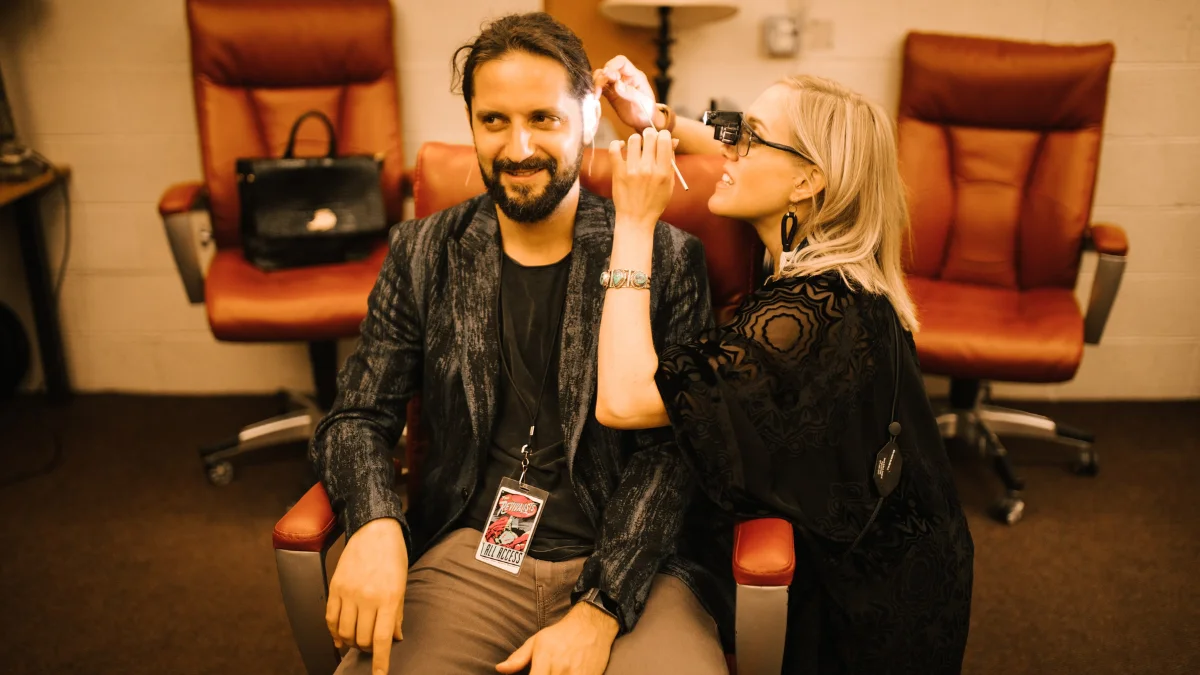
Why Musicians Need Specialized Audiology Care
Services for Musicians & Performers
Comprehensive Musician Hearing Evaluations
Custom Musicians’ Earplugs
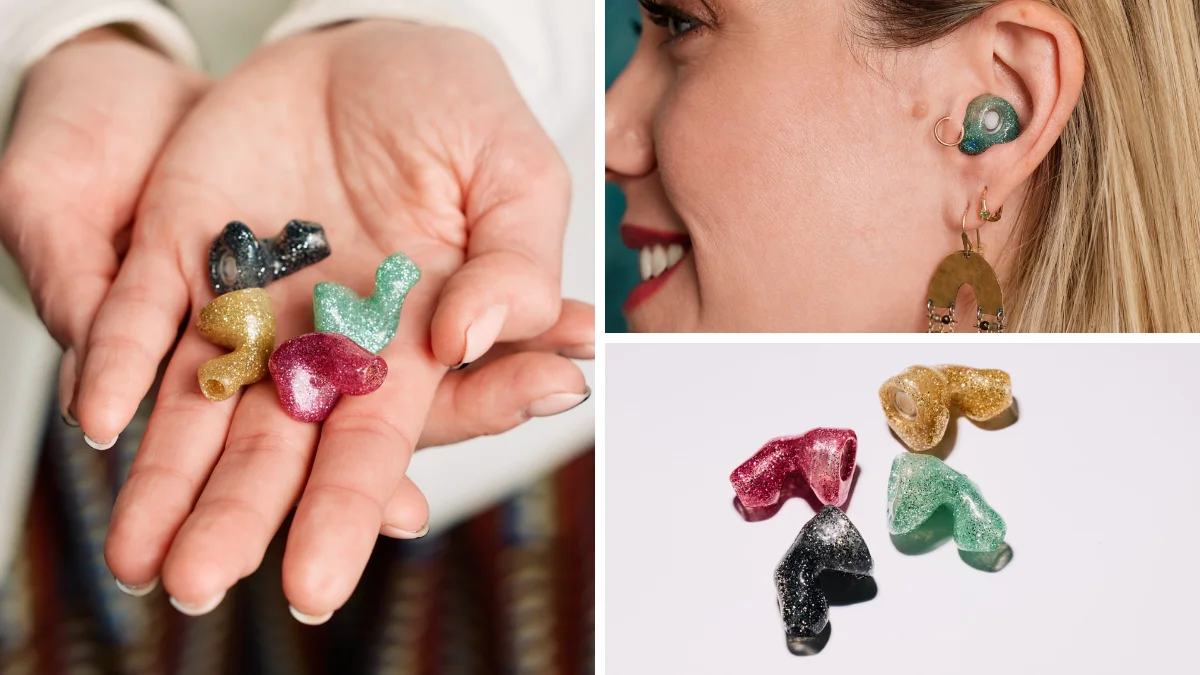
In-Ear Monitors (IEMs) & Ear Mold Impressions
Tinnitus & Sound Sensitivity Support for Musicians
Integrated ENT & Audiology Care for Voice-Dependent Professionals
A Philosophy Built Around Musicians
When Musicians Choose to Schedule
Common Questions
Why do musicians need specialized hearing care?
Musicians rely on precise hearing for pitch, timing, balance, tone, and spatial awareness. Even subtle changes — well before traditional “hearing loss” — can affect performance, confidence, and enjoyment of music. Specialized audiology care focuses on prevention, early detection, and long-term hearing preservation, not just treatment after damage occurs.
Are in-ear monitors (IEMs) hearing protection?
No. In-ear monitors are monitoring tools, not hearing protection devices. They can support safer listening when properly fit and used at appropriate volumes, but they can also increase risk if volume is not carefully managed. Education, isolation, and volume awareness are essential.
Can IEMs still be part of a hearing-healthy setup?
Yes — when used correctly. Properly fit custom IEMs can improve clarity and consistency, which may allow musicians to rely less on loud stage wedges. However, without guidance, many musicians unintentionally listen at unsafe levels. The goal is better monitoring with safer listening habits, not louder mixes.
Does Elevation Audiology work exclusively with Sensaphonics for in-ear monitors?
No. We believe that every music industry professional, regardless of their in-ear monitor use or company preference, deserves an audiologist who understands their unique hearing needs. We work with musicians and music-industry professionals across a wide range of in-ear monitor brands and setups, and we’re happy to support whichever system best fits your preferences and performance needs.
Why do custom ear impressions matter for musicians?
For musicians, ear impressions directly affect sound quality, isolation, comfort, frequency response, and consistency on stage. Impressions taken with musician-specific techniques allow custom earplugs and IEMs to perform as intended. Poor impressions can compromise on-stage sound and protection, even with high-end gear.
Do musicians really need baseline hearing tests?
Yes. Baseline testing allows subtle changes to be identified early — often before they impact performance. Many musicians have normal hearing by traditional standards but still experience tinnitus, distortion, or sound sensitivity. Tracking hearing over time supports career longevity.
I have ringing after shows — should I be concerned?
Temporary ringing after loud exposure is common, but it’s also a sign the auditory system has been stressed. Occasional symptoms don’t mean permanent damage, but they are worth discussing. Early guidance can help reduce long-term risk and improve recovery.
Can tinnitus affect musicians differently than non-musicians?
Yes. Musicians often notice tinnitus more acutely because of their trained listening skills. Tinnitus can interfere with focus, enjoyment of music, and confidence on stage. Management focuses on reducing awareness and distress while supporting continued performance.
Are earplugs bad for musicians?
No. Custom filtered earplugs are specifically made to preserve sound quality while reducing exposure. Problems can arise with poorly fit custom hearing protection or over-attenuating earplugs, which can distort sound and discourage consistent use. Properly fit, verified earplugs are one of the most important investments a musician can make.
How loud is “too loud” for music exposure?
Risk depends on both volume and duration. Music doesn’t behave like industrial noise, which makes exposure harder to judge. That’s why individualized counseling — based on your instrument, environment, and schedule — is more effective than generic rules.
I’ve been playing for years — can anything still help?
Absolutely. Hearing care isn’t just for beginners or people with obvious problems. Many experienced musicians benefit from updated baseline hearing tests, improved monitoring strategies, better-fit gear, and education that reduces fatigue and risk. The auditory system remains adaptable throughout life.
Do you work with vocalists and voice professionals?
Yes. Elevation Audiology works closely with Colorado Voice Clinic, in collaboration with Dr. David Opperman. This allows for coordinated care for singers, actors, and professionals whose careers depend on both hearing and voice performance.
What makes Elevation Audiology different for musicians?
Care is grounded in principles taught by Dr. Michael Santucci, founder of Sensaphonics, and aligned with national best-practice guidelines for musicians. That means precision over volume, education over fear, long-term hearing wellness over quick fixes, and genuine respect for sound quality and artistic needs.
When do musicians typically schedule an appointment?
Musicians often schedule when they want a baseline hearing evaluation, need custom earplugs or IEM impressions, are experiencing tinnitus or sound sensitivity, want expert guidance rather than generic advice, or care about protecting their hearing long-term. Whatever brings you in, specialized care makes a meaningful difference.
Schedule a Musician Hearing Consultation
Your hearing matters—today and decades from now. Elevation Audiology offers thoughtful, expert care for musicians and music-industry professionals in Greenwood Village and the Denver Tech Center. Schedule a musician-focused consultation and work with an audiologist who understands sound the way you do.